Trip report by Scott
Check him out on Instagram HERE
...
The team consisted of Zac, Pip, Andrew, April, Sebastian, Saxon, and myself acting as trip leader (shoutout Team Greasy Monkeys, but more on this later). Because we had all met through Climbfit, the trip carried a strong sense of familiarity, and it felt very much like a natural extension of the community we had built indoors. Although the itinerary had been carefully planned, the reality of the trip was shaped by weather, terrain, equipment limitations, and group dynamics, which made the overall experience far more complex than we had anticipated. As is often the case in alpine environments, success depended less on following the plan precisely and more on how well we adapted as conditions changed.
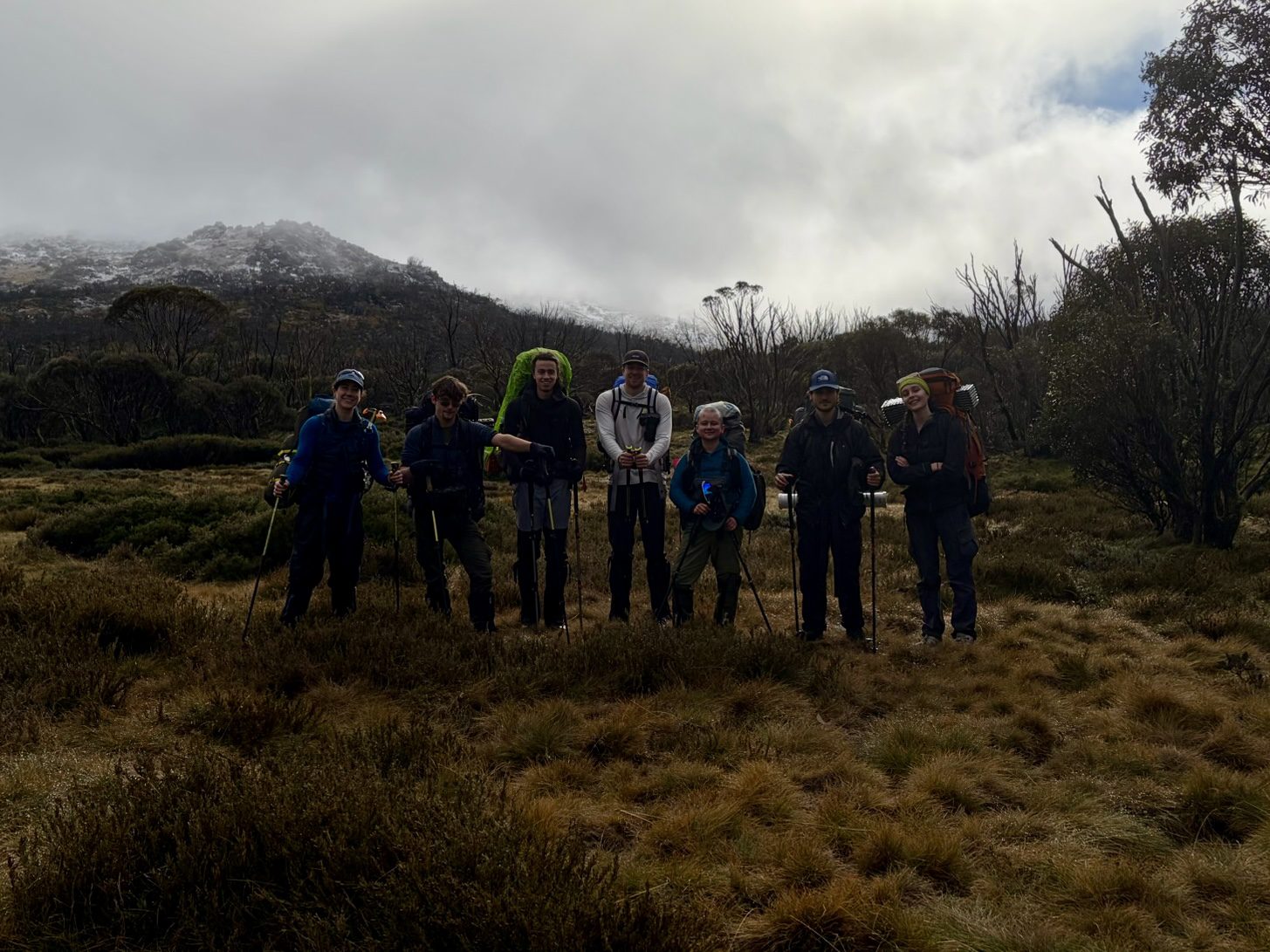
The drive from Sydney to the park went smoothly, with Zac taking on the full responsibility of getting us there safely while morale was kept high with a standard stop in Goulburn for pies. Along the way, we attempted to source microspikes for two members of the group, but despite searching through both Cooma and Jindabyne, suitable options were surprisingly difficult to find. This felt unexpected considering how popular the region is for alpine sports, although in hindsight it served as an early reminder that specialised hiking gear is not always easy to access, even in well-known mountain towns.
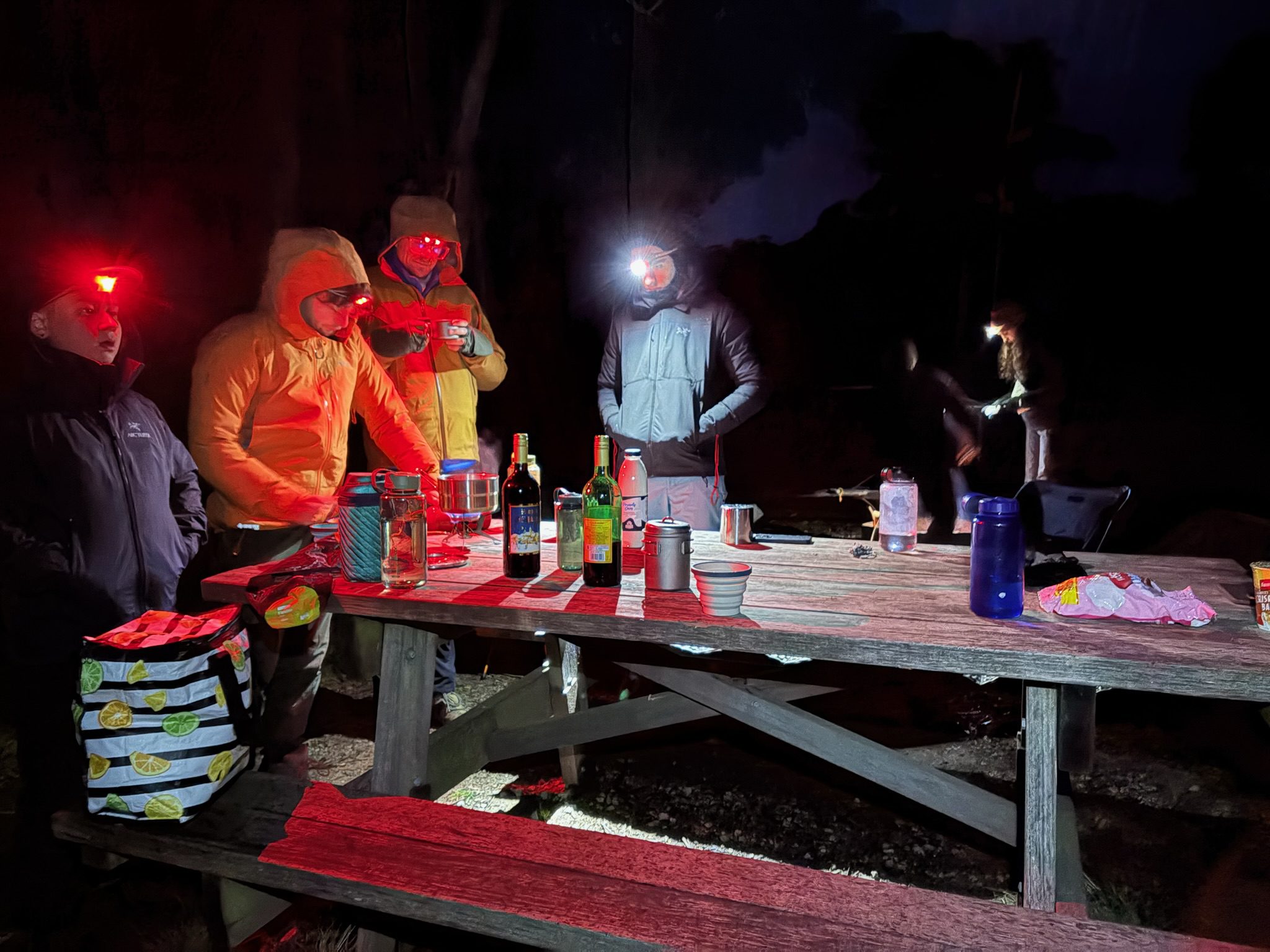
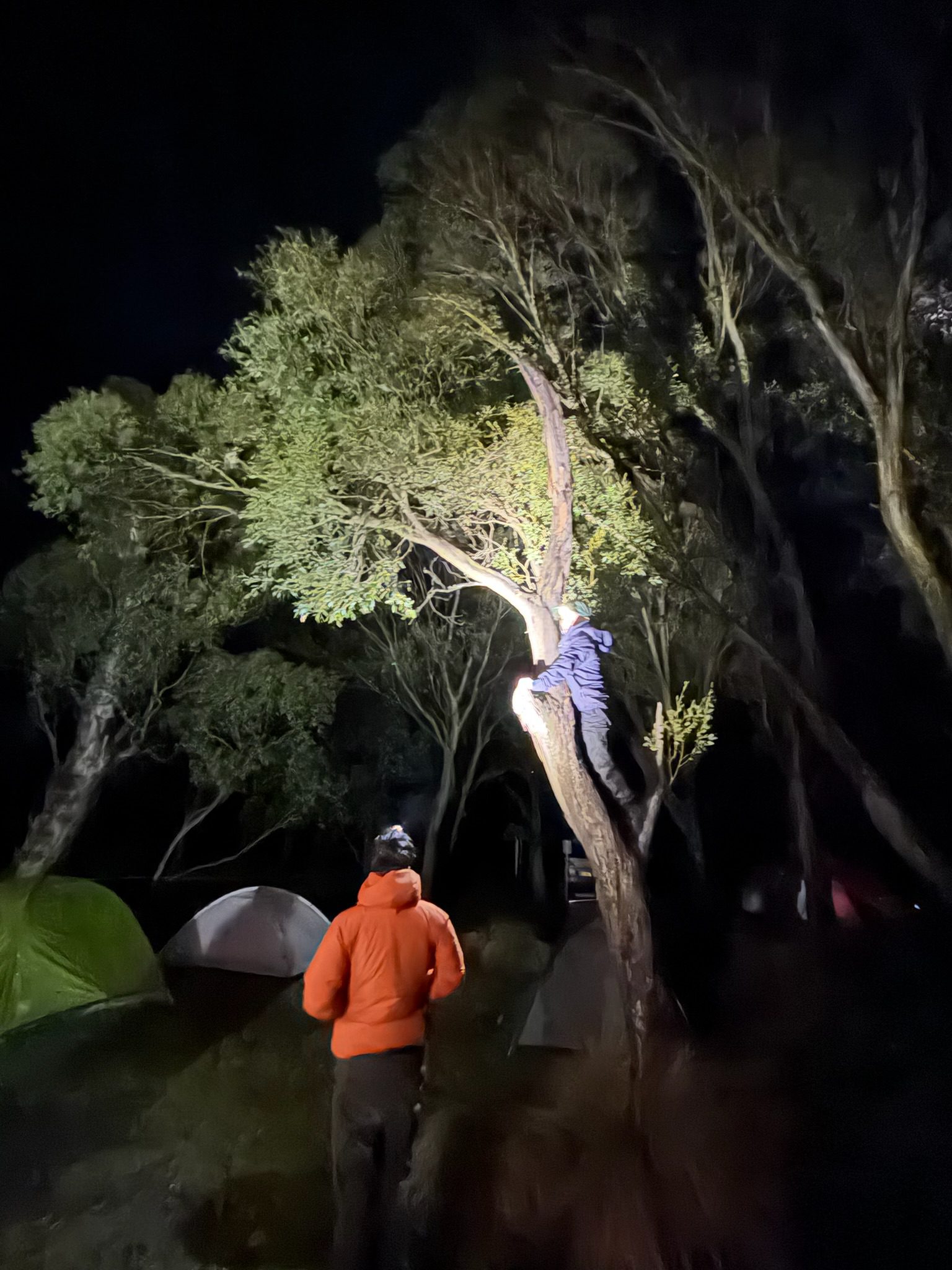
We camped overnight at Thredbo Diggings, where we used the evening to run through a full pack shakedown and familiarise ourselves with borrowed gear, which was particularly important given how expensive and unfamiliar alpine equipment can be. The most notable issue of the night did not come from poor planning, but from local wildlife. At some point during the evening, a possum tore a large hole in Sebastian’s sleeping pad. In winter conditions, this was more than just inconvenient, because it posed a real risk to warmth and recovery. We patched it as best we could using tape under headtorch light, and while the repair seemed functional at the time, there was a quiet understanding within the group that it might not last.
We began from Dead Horse Gap under clear skies, although there was some early concern about the lack of visible snow at lower elevations. That concern gradually faded as we climbed higher, because patches of snow began to appear, and before long the entire landscape had transitioned into full winter coverage. With that change came a noticeable shift in mood, as the effort of the climb gave way to genuine excitement. We stopped briefly on a slope to practice self-arrest techniques, and for a short time we allowed ourselves to enjoy the novelty of being in snow by taking turns sledding downhill on a small rolled-up mat I had brought.
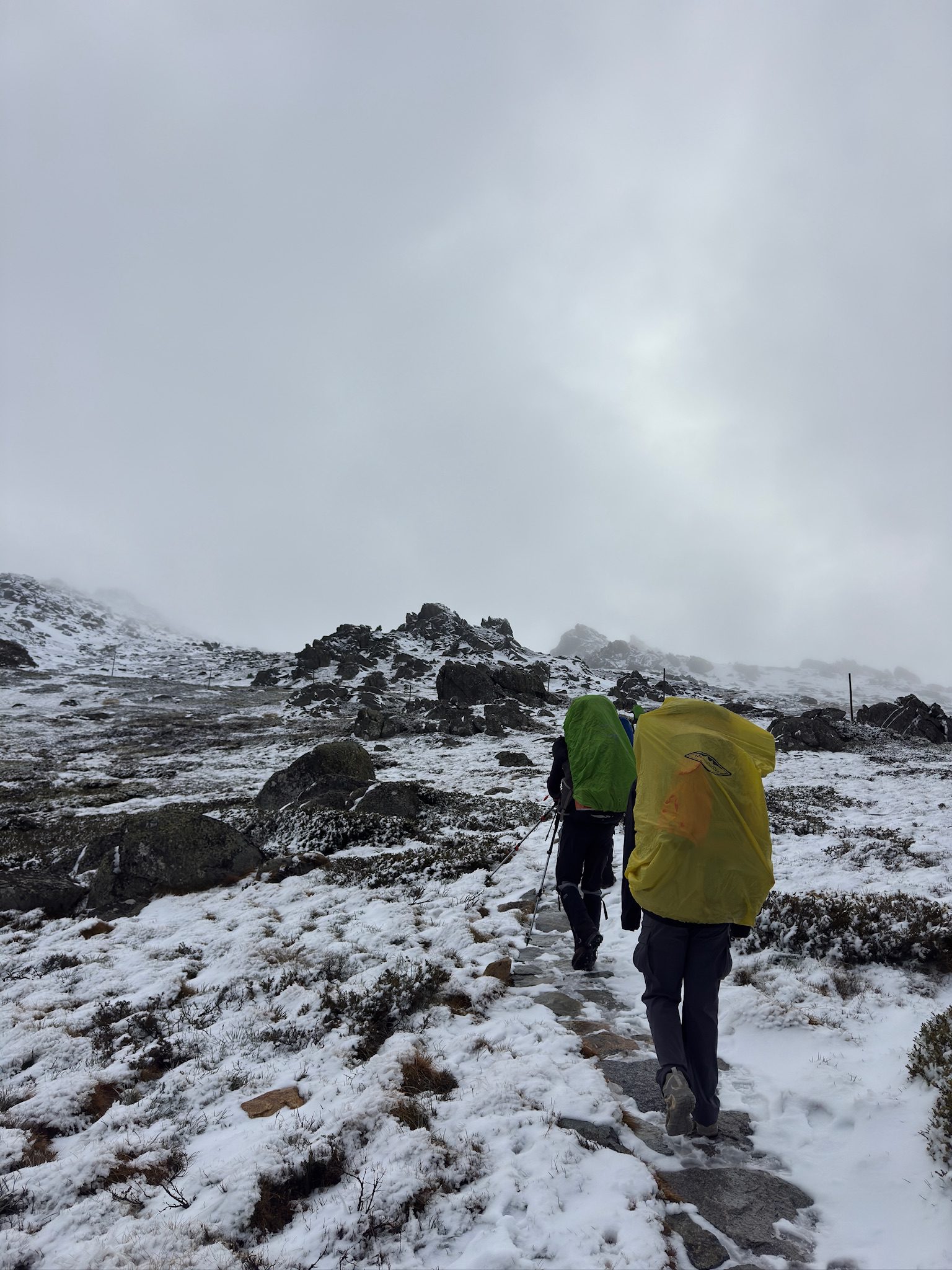
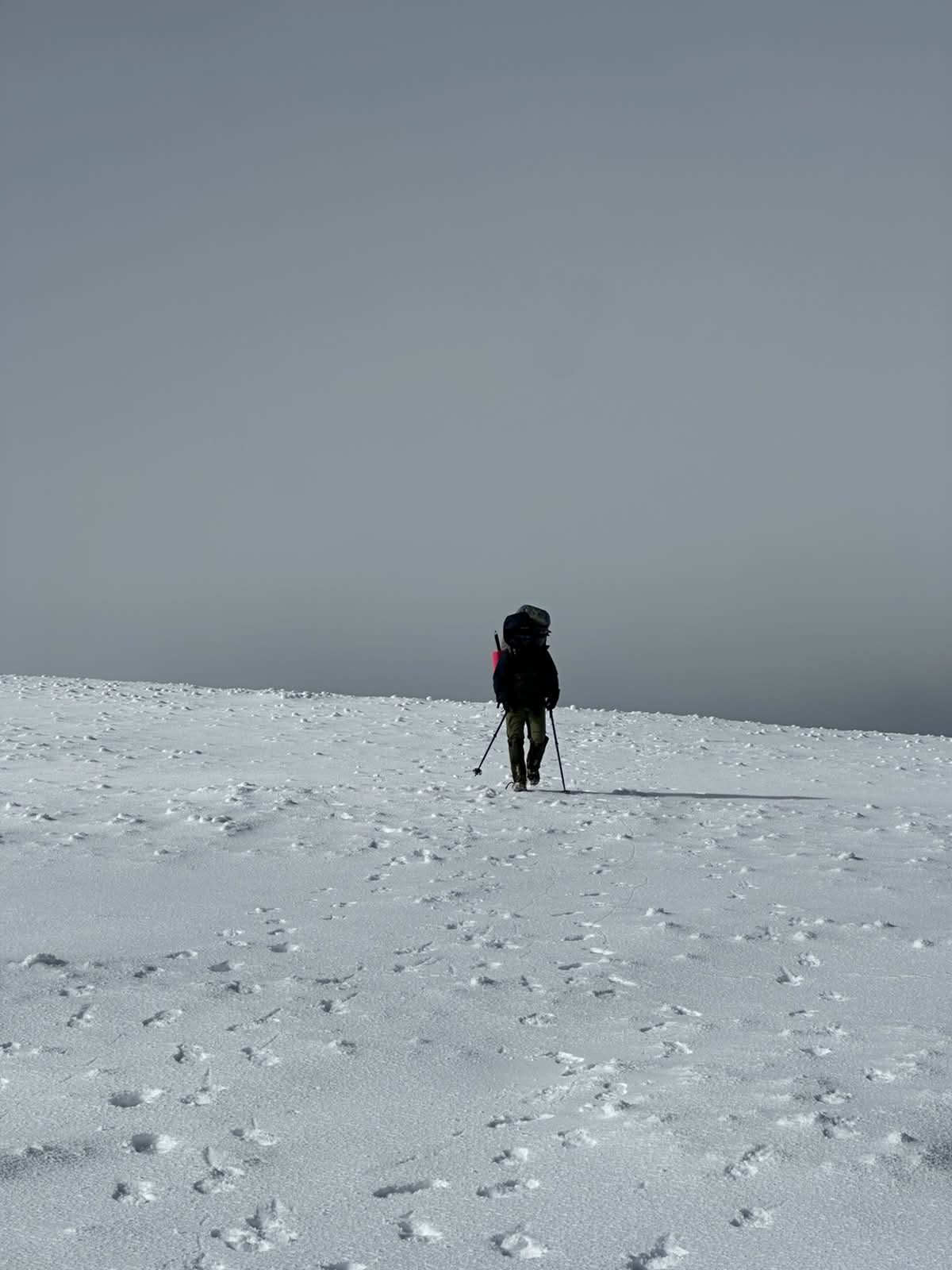
After leaving the formed path near Thredbo Top Station, we moved off-track along the line of the old telephone poles toward the Snowy River, and it was here that conditions became much more difficult than expected. The snow was wet and unstable, and almost every few steps resulted in post-holing into hidden creeks or submerged vegetation. Because of this, our progress slowed significantly, and the group began to spread out as I found myself consistently moving at a slower, more measured pace toward the back. While that separation felt manageable at the time, it would later affect both our timing and group decisions.
Rejoining the track brought a strong sense of relief, although the final climb to Seamans Hut was still physically demanding. It was during this ascent that I realised my breathing difficulties were more than just fatigue, and I came to the conclusion that I was likely dealing with exercise-induced asthma exacerbated by the cold, which was not an ideal discovery to make at 28.
Despite the effort required to reach it, Seamans Hut was a beautiful and rewarding place to camp. That night, I set up my tent and slept directly on snow for the first time, which felt unfamiliar but ultimately satisfying.
The next morning brought clear conditions, although packing up in freezing temperatures proved far less enjoyable. Handling frozen aluminium tent poles without gloves quickly became a lesson that did not need to be repeated.
From Seamans Hut, we committed to an off-track ascent of Mt Clarke, and the ridgeline ahead made navigation feel relatively intuitive, particularly with clear blue skies allowing us to easily identify our destination. From Mt Clarke, we continued to Mt Northcote, which involved descending and climbing again in a pattern that would define the rest of the day. Each summit provided a broader sense of the terrain, and although the peaks looked close together, it became increasingly clear that each one required far more effort than it initially appeared.
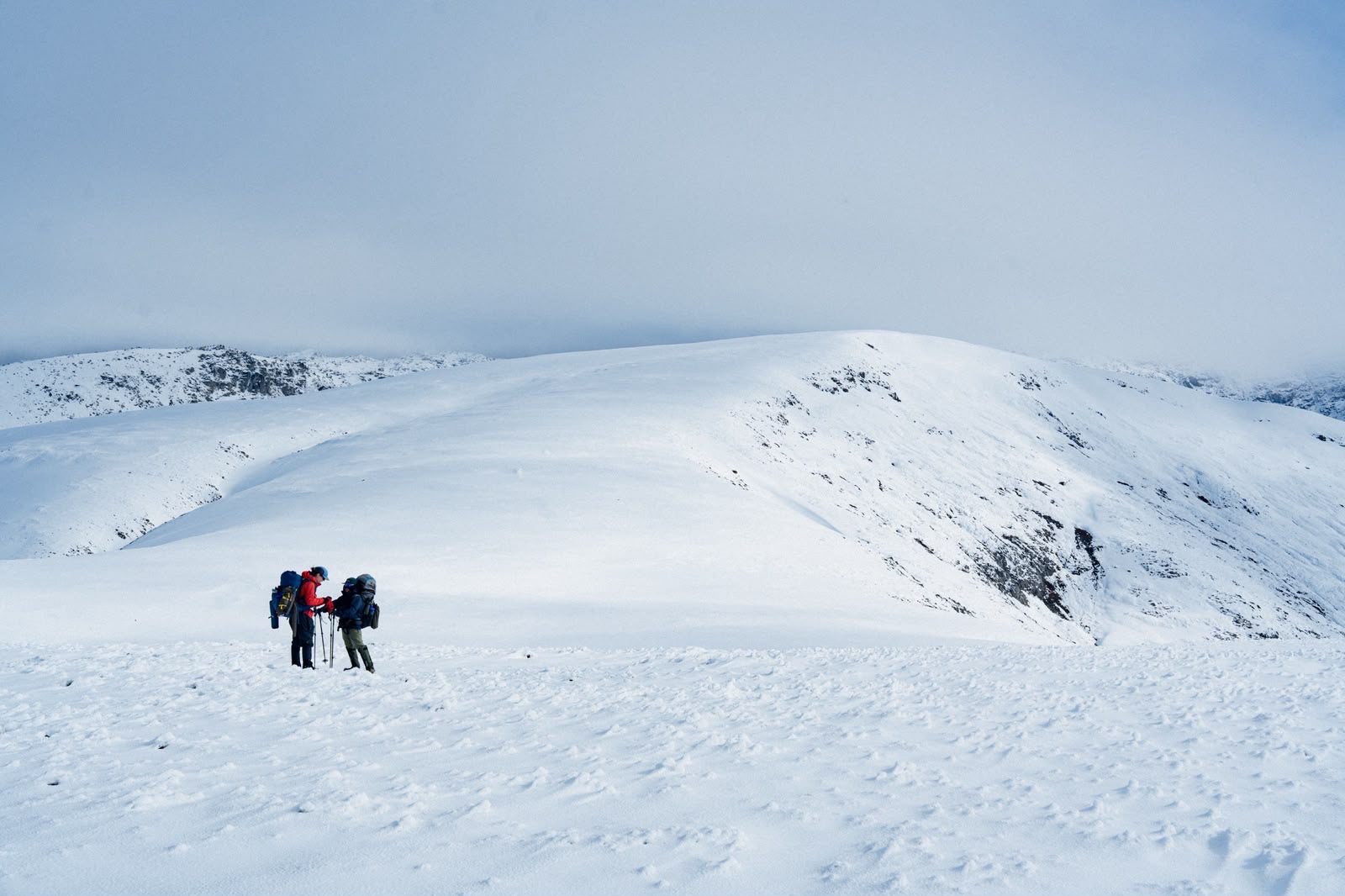
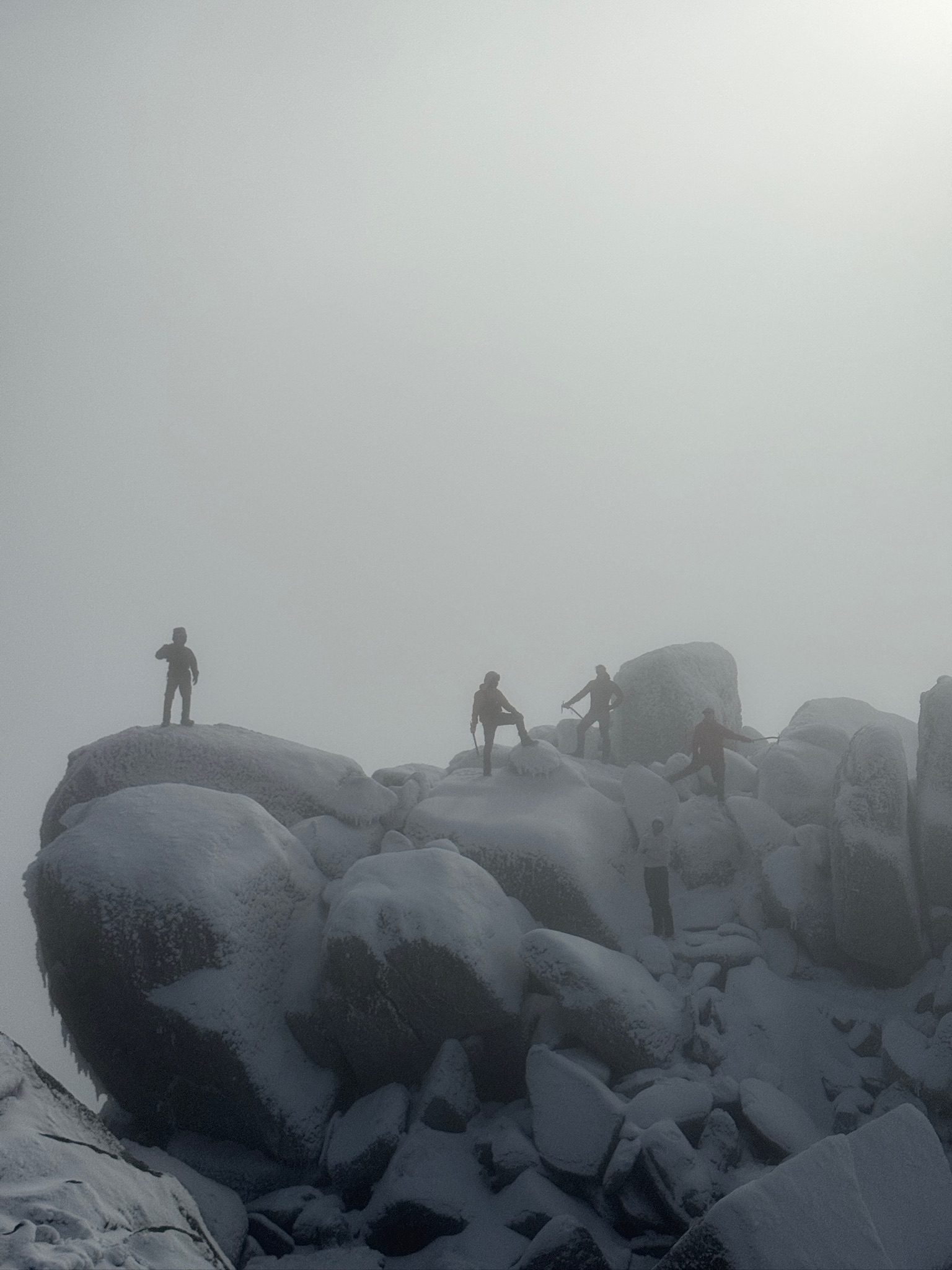
As we moved toward Mt Townsend, the weather began to shift, with visibility moving between clear conditions and near whiteout. Because of this, navigation became a shared responsibility, with multiple people checking bearings and confirming route choices, which made the process feel both collaborative and secure. Recognising that the group was becoming fatigued, we decided to set up camp before completing the full planned route. After leaving our packs behind, we made a final push to the summit of Mt Townsend via a short rock scramble, where ice axes were essential for stability and for pulling ourselves over exposed sections.
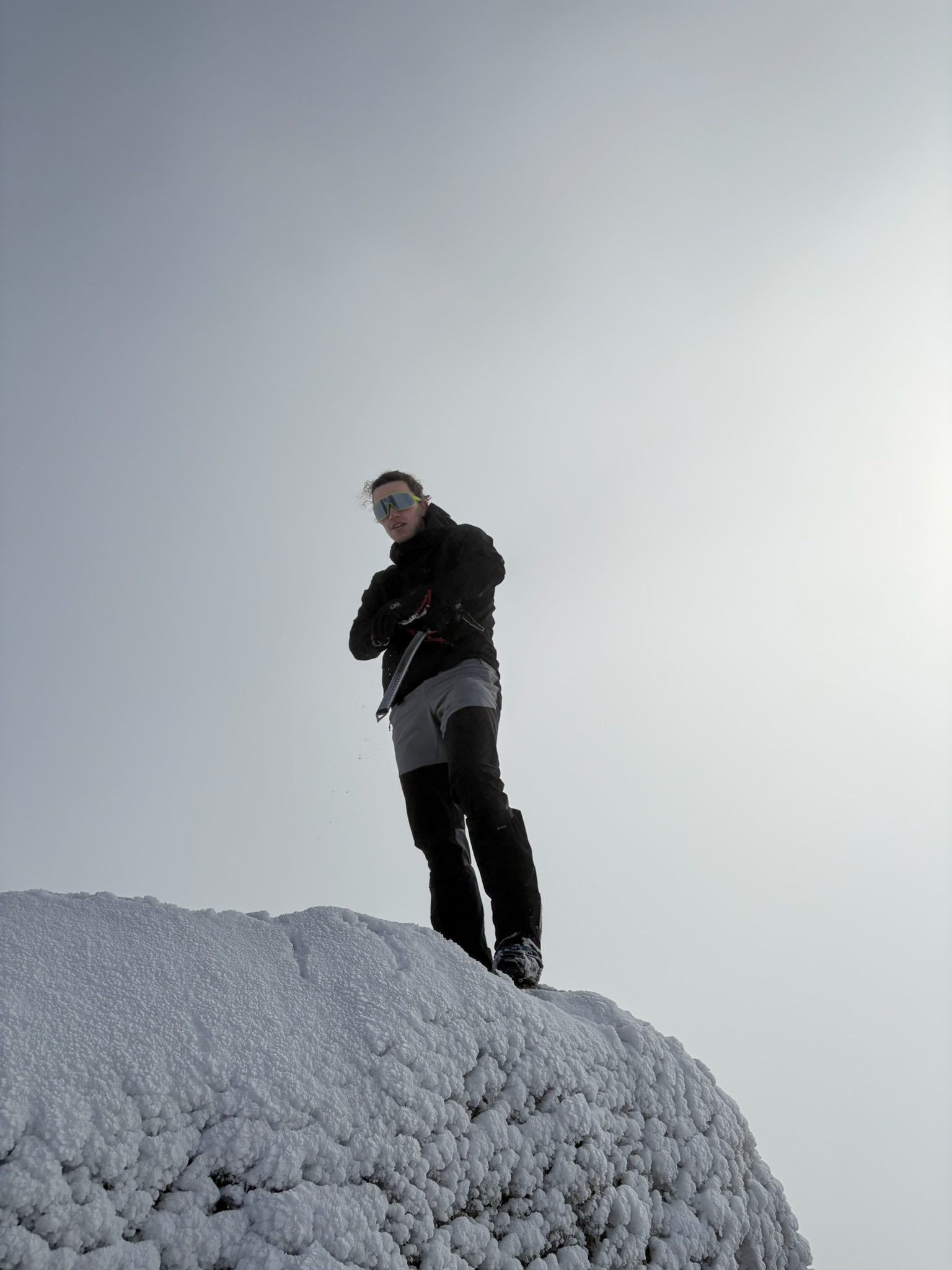
By the evening, energy levels were low, and the cold encouraged everyone to focus on efficiency. One by one, people retreated into their tents, and the camp quickly became quiet.
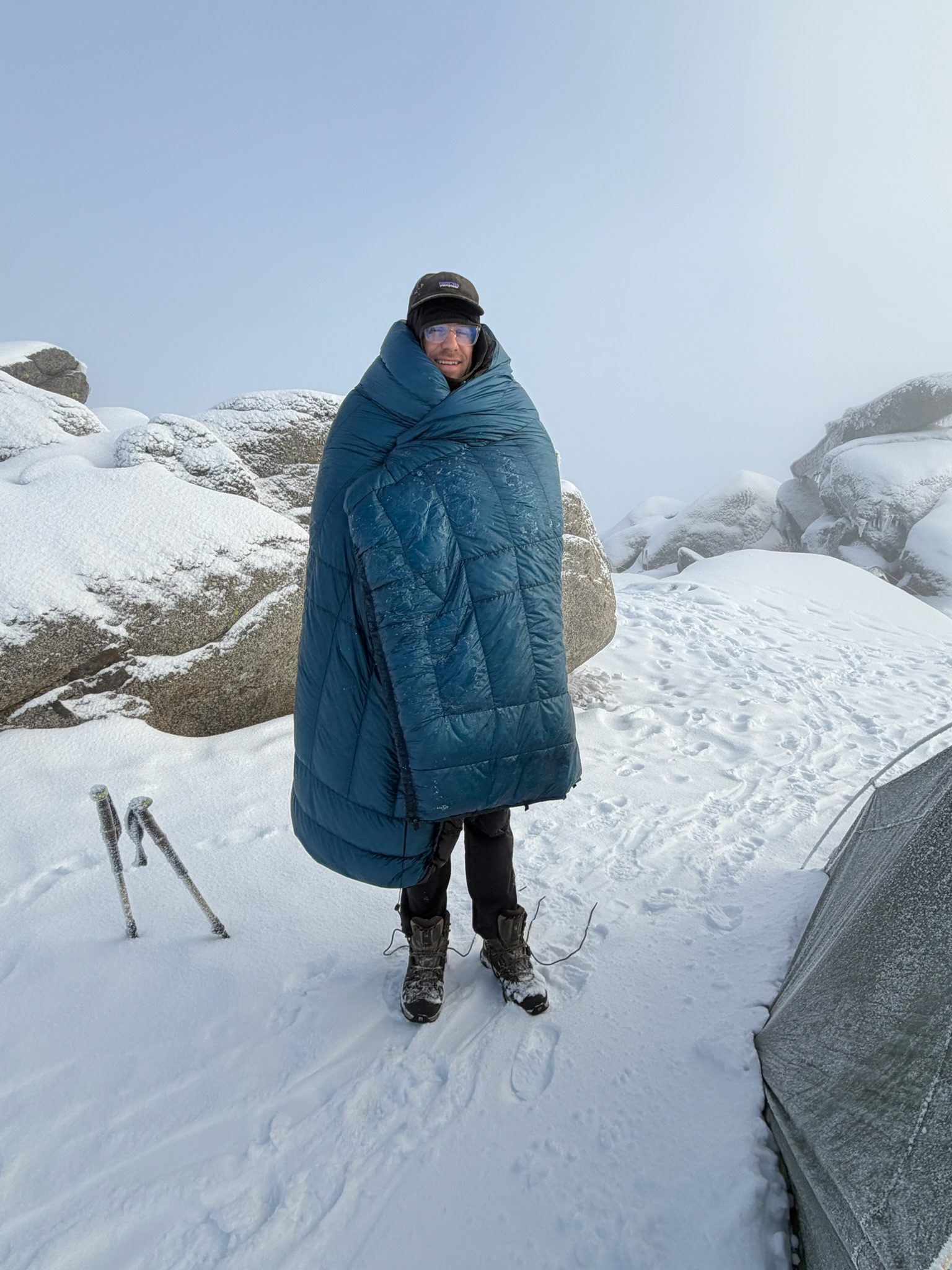
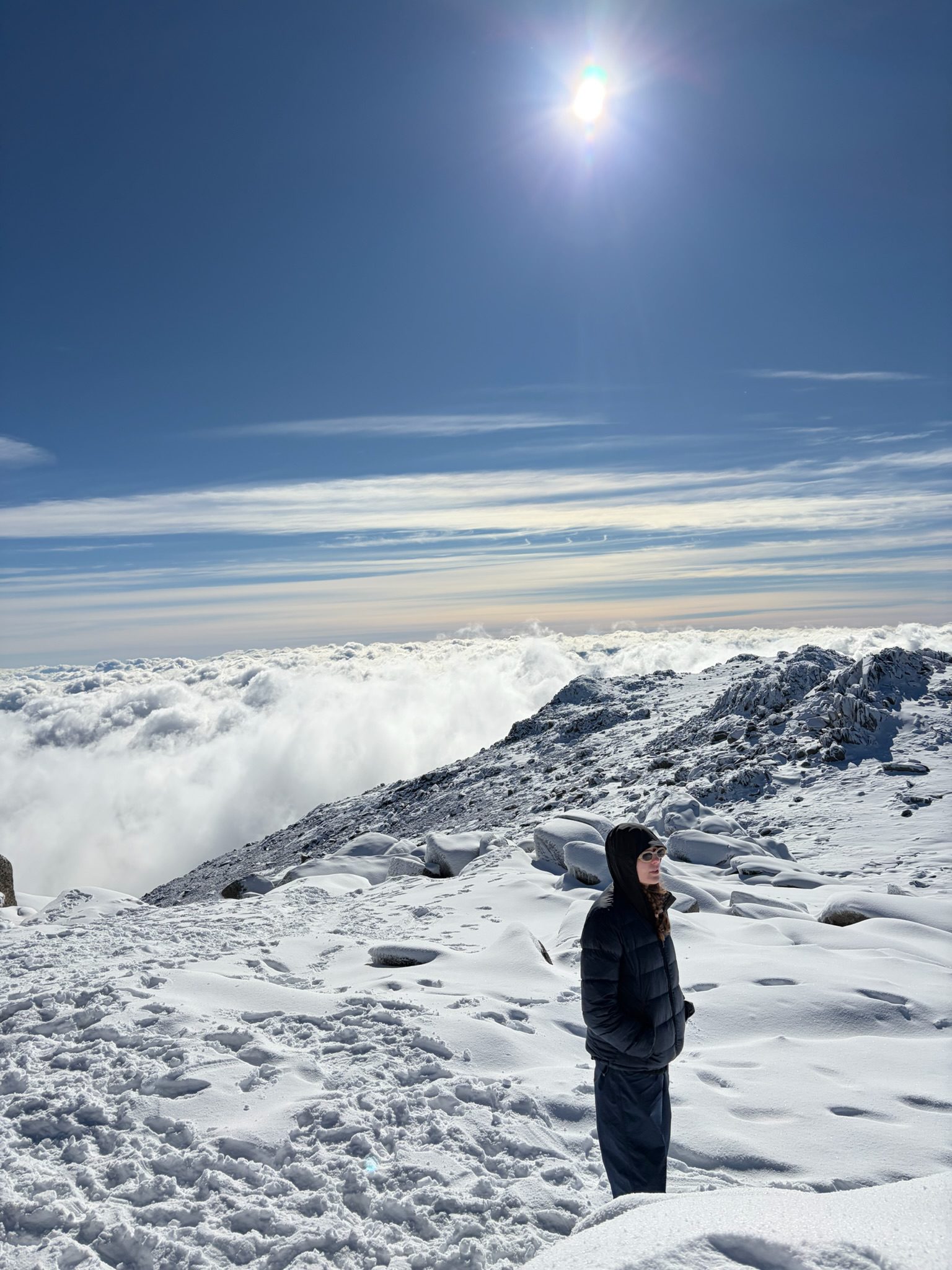
The following morning offered some of the most memorable conditions of the trip, with clear skies and sunlight spreading across a cloud inversion that created a calm and almost surreal atmosphere.
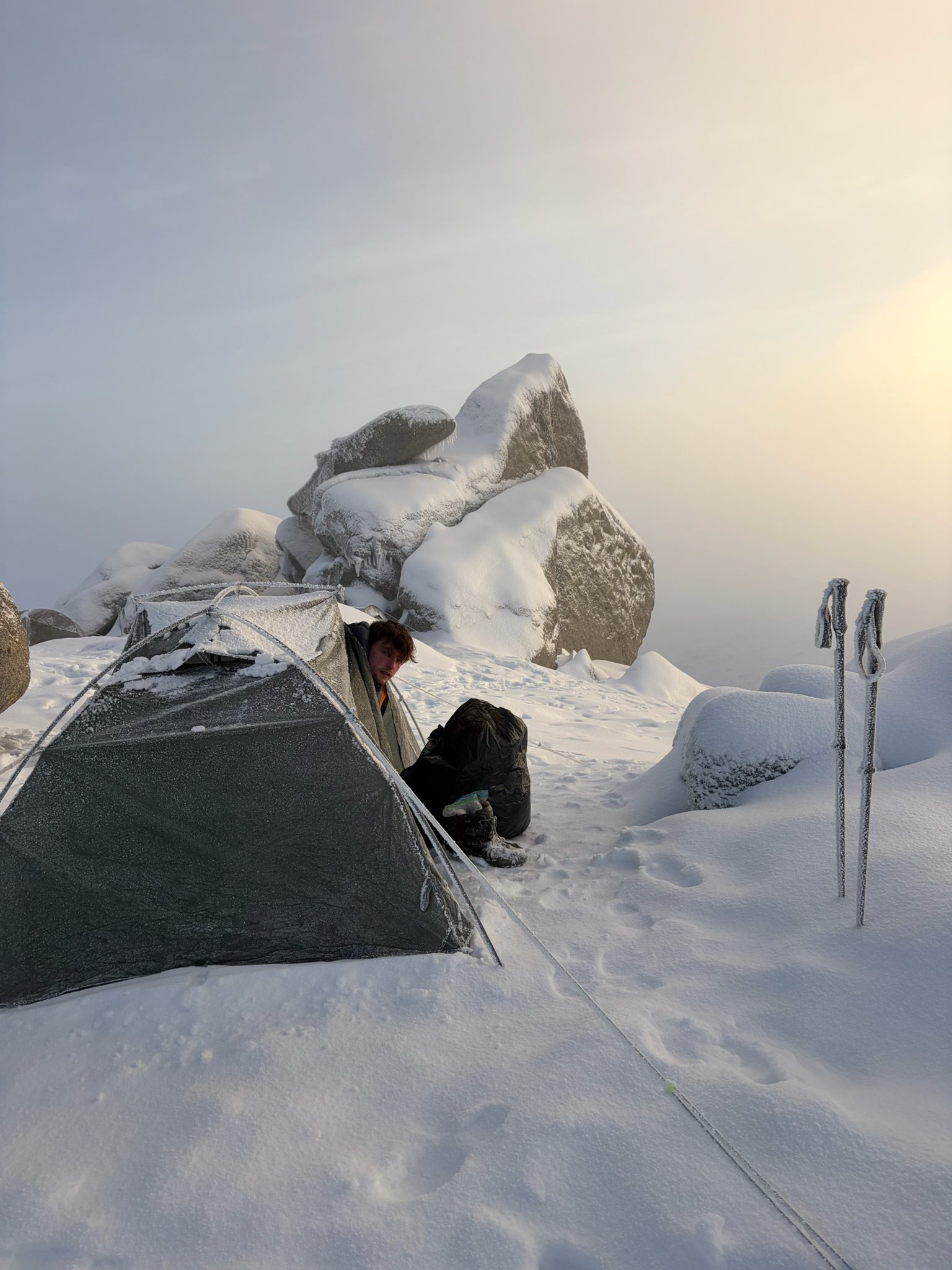
Despite this, our start was slow.
We did not leave camp until late morning, as fatigue combined with the reluctance to leave warm sleeping bags made it difficult to get moving quickly. Sebastian’s sleeping pad had once again deflated overnight, which meant he had another poor-quality sleep, and although it seemed like a small issue, it continued to affect overall morale. Instead of descending according to plan, we chose to remain on a higher ridgeline toward Mt Kosciuszko, which initially felt efficient but soon led to unplanned separation as people took slightly different routes through more technical terrain.
After regrouping, we made our way to the summit, where we paused briefly to enjoy the moment with a hot choccy and take in the scale of the landscape. Swiftly leaving before the cold set in, we returned to the base of the mountain where we were met with a defeated look on Zac’s face informing us the bad news: the toilets at Rawson Pass were closed. Now, I don’t mind a bush drop-off, but not quite everyone in the group was ready to give up the creature comforts of an actual toilet, so we began discussing alternative options, including heading toward Cootapatamba Hut. However, once we considered its size and condition, it became clear that it would be painful to use for a group of our size.
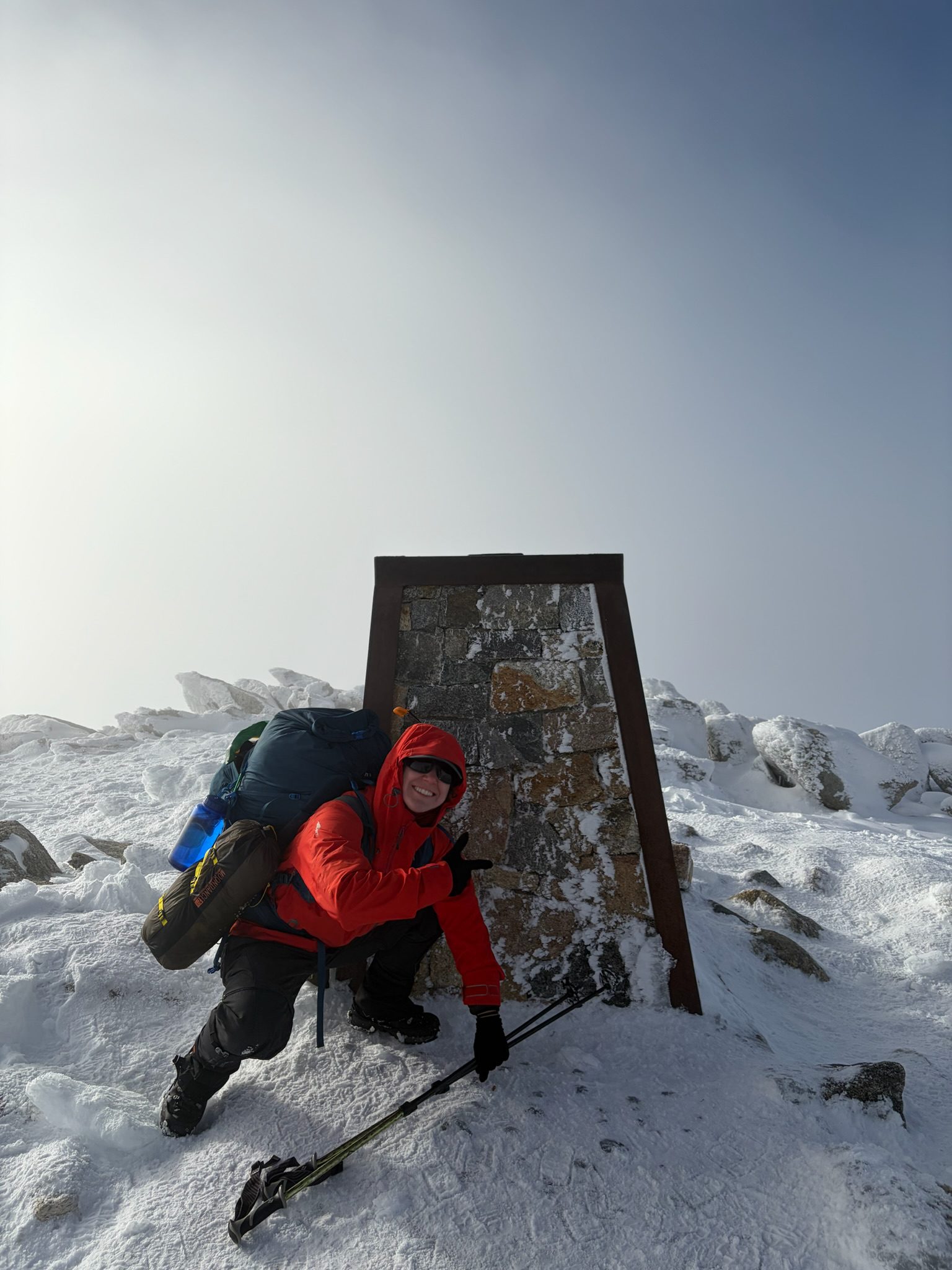
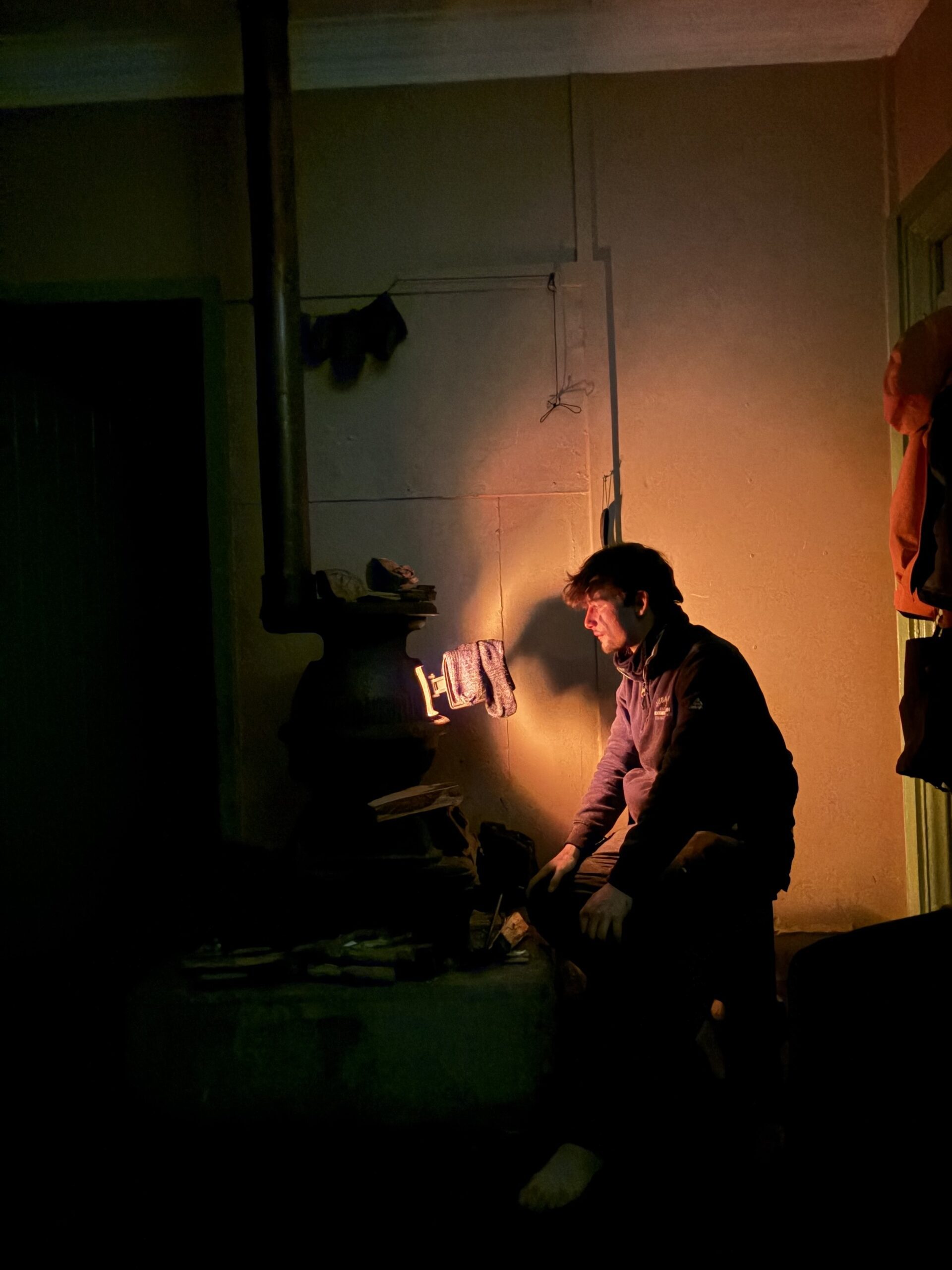
We ultimately decided to return to Seamans Hut, and in hindsight, this proved to be the right call. The availability of shelter and a reliable toilet made a significant difference.
We aimed for an earlier start the following day so we could regain some momentum, and although my attempts to wake everyone at the agreed time were not particularly well received, we managed to get moving and return to Rawson Pass on schedule before heading toward the Rams Head Range. This section felt more remote, and because visibility changed frequently and terrain features were subtle, we needed to stop regularly to check our bearings and confirm direction.
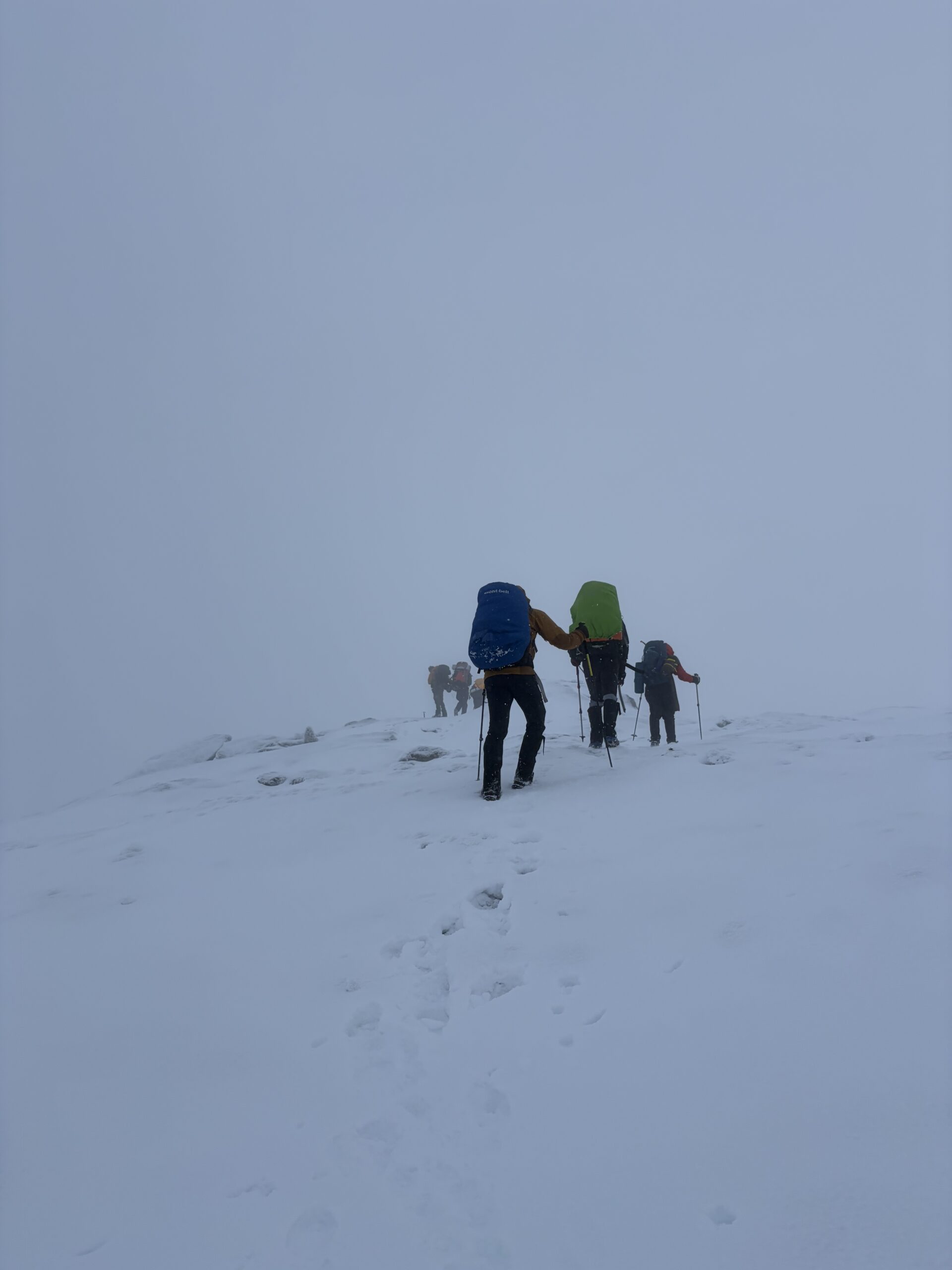
As we approached Rams Head South, a breakdown in communication created a turning point in the trip. I asked Sebastian to move ahead and find a suitable campsite, but because we had no reliable way to communicate, this decision created confusion rather than efficiency. When we tried to regroup, it became clear that no clear plan had been established and no campsite had been secured. At that point, frustration built up, and I lost composure, which was influenced both by the situation and by the accumulated pressure of leading the group.
Looking back, it is obvious that allowing separation without a clear communication plan introduced unnecessary risk and broke down group cohesion. It reinforced the idea that leadership in these environments is less about directing people and more about making sure everyone is aligned and informed. To their credit, the group responded with perspective rather than frustration, and since we were already close to the exit, we made the decision together to end the trip a day early.
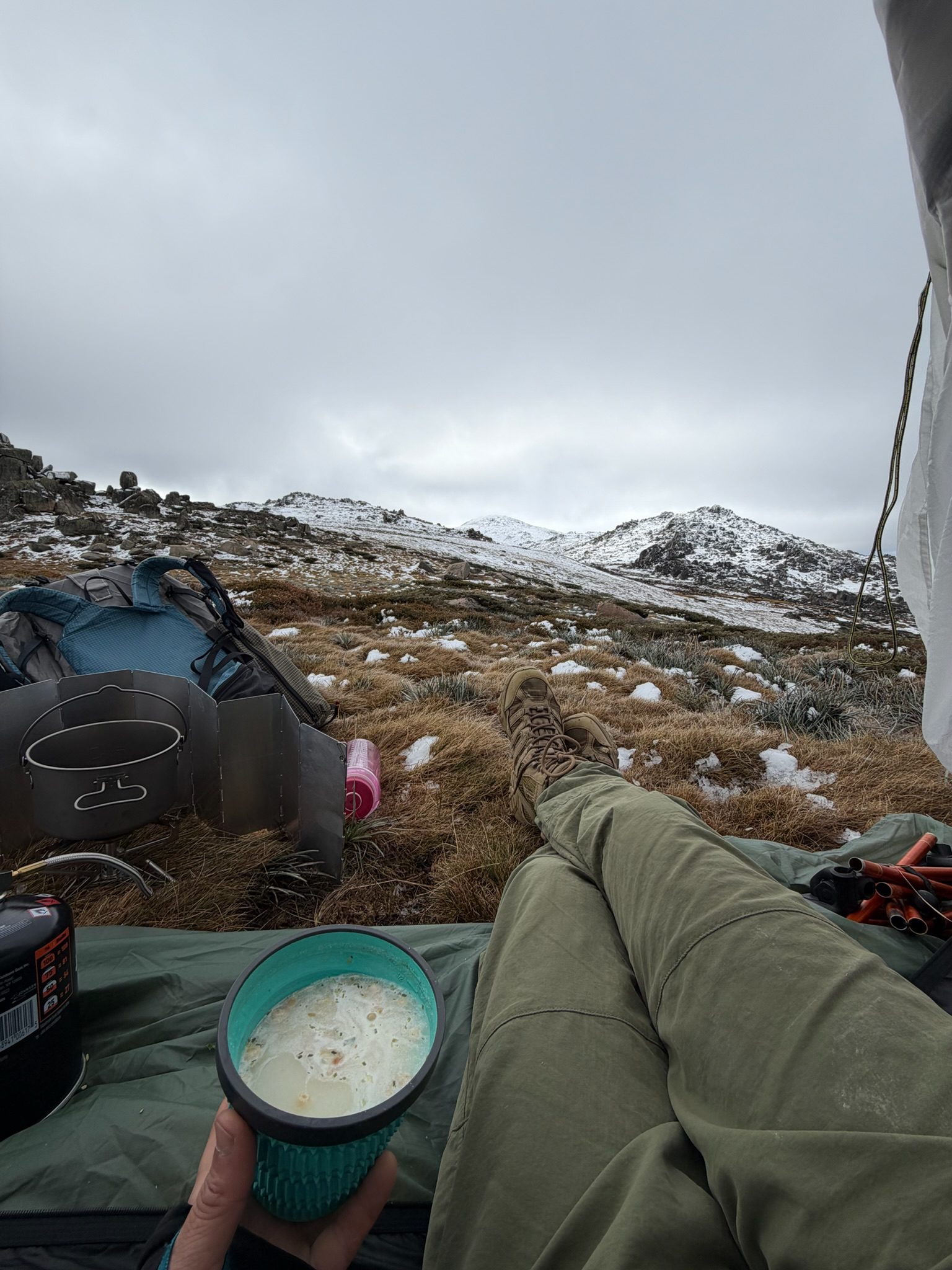
The final section to the trailhead proved more difficult than expected, as dense vegetation, uneven terrain, and multiple creek crossings slowed our progress despite the short distance. This was some of the most challenging bushbashing I’ve ever had to overcome and many expletives were hurled! To say we felt overjoyed when the car suddenly loomed into view would be an understatement.
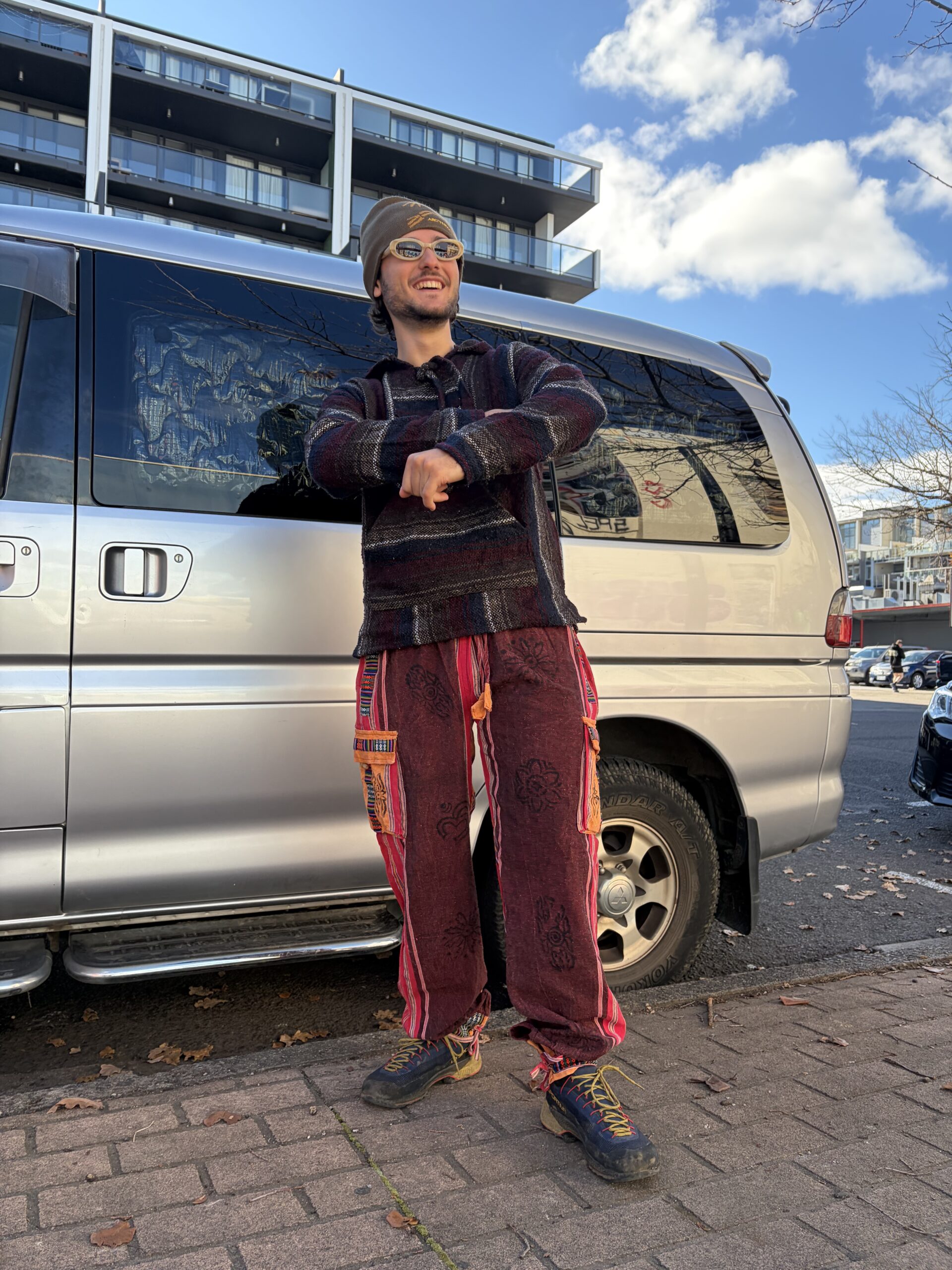
We quickly decided against returning to Thredbo Diggings to spend the night with the felonious possums and instead drove to Canberra, where Andrew managed to secure last-minute accommodation. The shift from alpine exposure to warmth and stillness was immediate, and having access to a proper bed felt like a luxury.
Dinner at Grease Monkey in Braddon was exactly what we needed, with burgers, pizzas, and beers that felt mandatory at that point. Conversation naturally shifted from the challenges of the trip to the more memorable moments, and it was here that the group adopted its unofficial name, “The Greasy Monkeys,” thanks to Saxon repeatedly mispronouncing the restaurant name.
Although we did not complete the original route in full, it would be plain wrong to consider the trip a failure.
From a leadership perspective, it reinforced several key lessons. Clear communication is critical, especially in low-visibility or off-track terrain, and group cohesion should always take priority over pace or objectives. It also highlighted the importance of continually reassessing decisions as conditions evolve. More broadly, the trip was a reminder that alpine travel is inherently unpredictable. Plans provide structure, but they are always subject to change.
Most importantly, the experience showed that the value of these trips lies not only in what is achieved, but in how the journey unfolds, through shared effort, adaptability, and the willingness to respond to challenges as they arise.